
Phage Therapy Becomes One of the Most Promising Alternative Antimicrobial Strategies
Currently, the global rise in antimicrobial-resistant infections is diminishing the efficacy of conventional antibiotics, while the threat of “superbugs” continues to intensify—not only increasing mortality risks associated with common illnesses such as pneumonia but also complicating medical procedures including surgery and chemotherapy due to heightened infection risks.
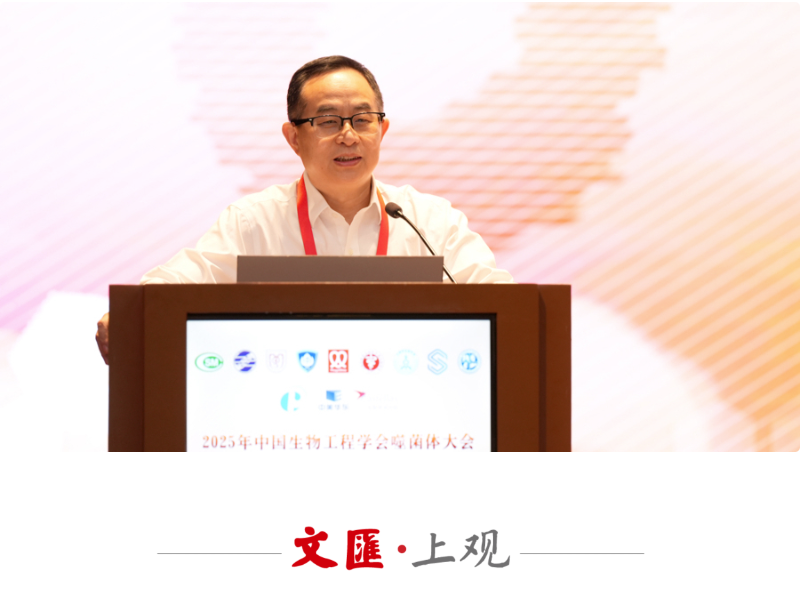
From August 19 to 23, the 2025 Bacteriophage Conference of the Chinese Society of Biotechnology and the Eighth China Bacteriophage Therapy Conference was held at Zhongshan Hospital, Fudan University. The conference delivered the latest news: Bacteriophage therapy, which specifically targets bacteria, is emerging as one of the most promising alternative antimicrobial strategies.
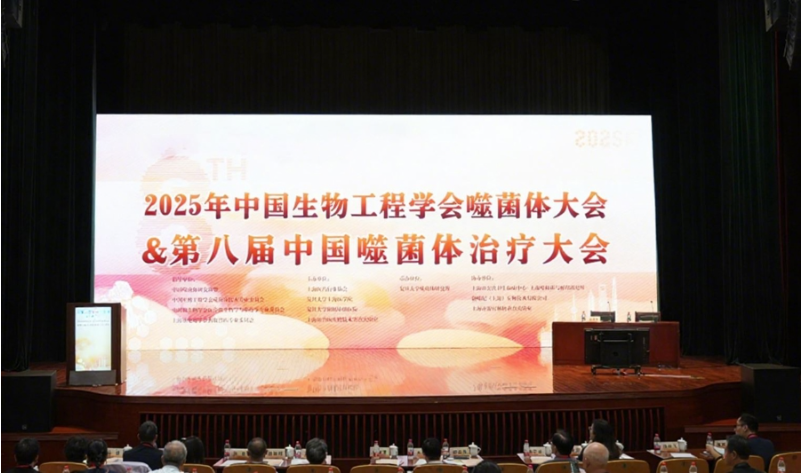
As one of China’s largest and most influential annual academic events in phage research and clinical practice, the conference focused on advancing the development of a comprehensive phage therapy system, offering new solutions to the global public health challenge of antimicrobial resistance.
During the event, the 2025 National Key R&D Program “Frontier Biotechnology” Bacteriophage Special Projects were launched, comprising two major initiatives:
“Development of Safe and Efficient Engineered Bacteriophage Therapy Technologies and Clinical Research”, led by Zhongshan Hospital, Fudan University.
“Research on Key Technologies for Developing Safe and Efficient Bacteriophage Preparations and Clinical Treatment of Drug-Resistant Bacterial Infections”, led by Beijing University of Chemical Technology.
These projects integrate efforts from government, industry, academia, and research sectors, marking China’s transition from laboratory exploration to systematic clinical validation in phage therapy. This collaboration will vigorously promote the industrialization and standardization of phage therapy domestically.
Professor Zhu Tongyu, Vice Dean of Shanghai Medical College of Fudan University, Director of the Fudan University Phage Research Institute, and academic leader in kidney transplantation at Zhongshan Hospital, who served as co-chair of the conference, noted that global phage research has entered a phase of accelerated breakthroughs, with technologies such as AI screening expanding treatment boundaries. China has made initial progress in areas including phage preparation development and personalized therapy, with regions like Shanghai establishing a collaborative framework integrating research, clinical application, production, and regulation15.
Concurrently, the conference hosted the second Bacteriophage Therapy “Seed Camp,” which provided comprehensive training covering fundamental phage theory, isolation and purification techniques, quality testing methods, clinical application standards, regulatory policy analysis, and translational case studies. Through systematic training, the camp aims to advance China’s capabilities from theoretical research to broader clinical implementation13.
Since its inception in 2018, the China Bacteriophage Therapy Conference has been successfully held seven times, attracting nearly a thousand experts from countries including China, Belgium, the United States, and Georgia, along with nearly ten thousand participants.
Edited by Fan Liping